
 FAQ
FAQ Why Us?
 Service Guarantee
 Our Cleaning Process
 Cleaner Screening Process
 Commitment to Quality
 TidyHere Difference
 TidyHere vs Others
 Recurring Cleaning
 Move In / Out Cleaning
 Office Cleaning
 Housekeeping
 Post Construction Cleaning
 Green Cleaning
 Home Organization
 Deep Cleaning
 Oven Cleaning
 Airbnb Cleaning
 Refrigerator Cleaning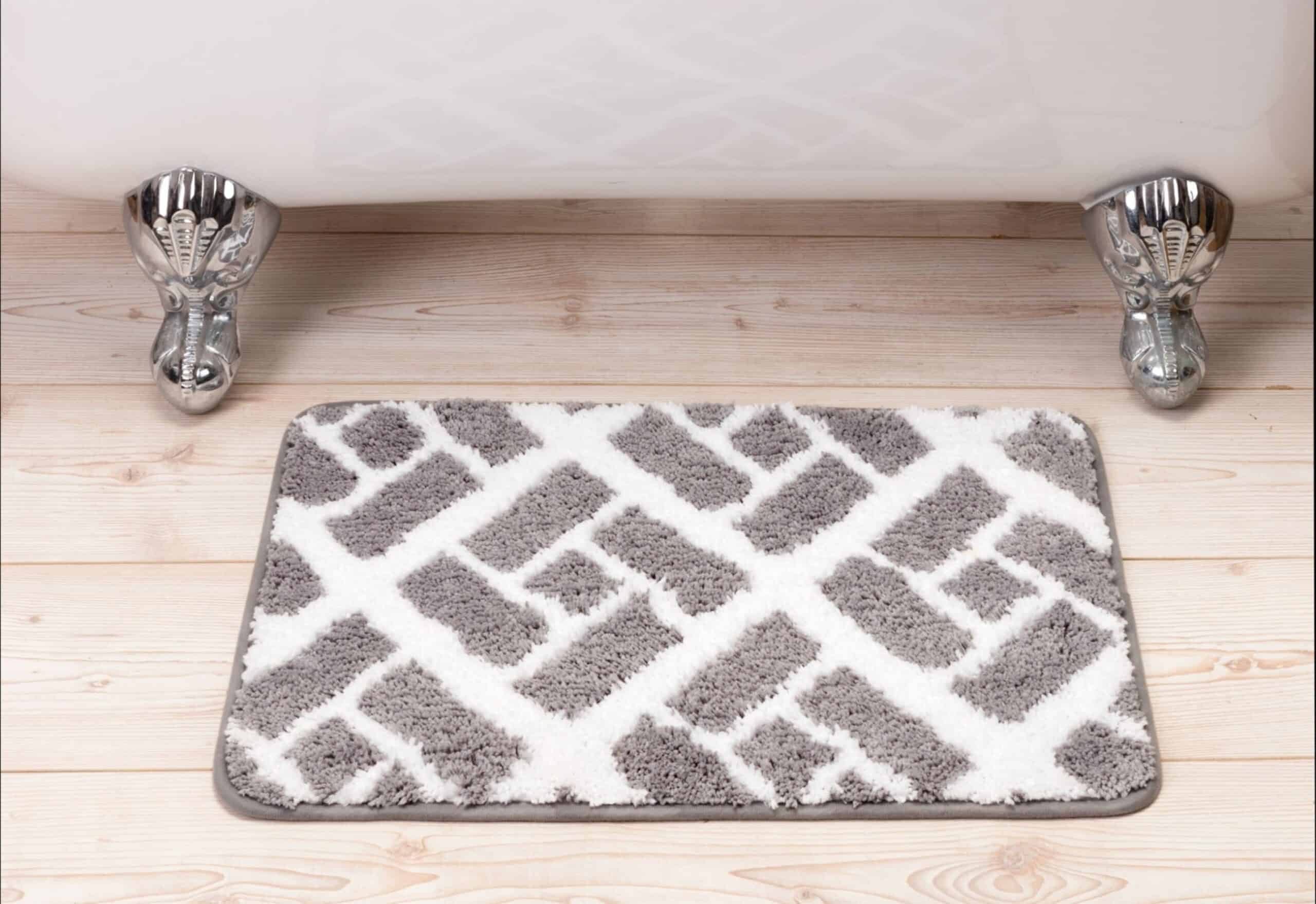
Bathmats and rugs can bring a warm and inviting element into almost every bathroom. Stepping out of your shower or bath onto a soft, warm rug can really make you feel those cozy vibes. But when was the last time you washed your bathmats and rugs? While they can make for a cozy space, bathmats and rugs can be breeding grounds for all kinds of bacteria and mold.
If you’re maybe realizing that its been a minute since you last cleaned your bathmats, don’t stress! This short and sweet cleaning guide can point you in the right direction and help you get your bathroom back to its comfy and cozy state just in time for your self-care night in. Keep reading to find out if you’ve been cleaning your bathroom rugs the right way.
Proper Cleaning Techniques
Before any washing or cleaning is done, take a moment to read the care instructions on the manufacturer’s label if possible. Most labels can provide specific cleaning and maintenance instructions for the specific textiles being used. Be sure to make a note of whether or not your rug can be washed in a machine or not, this will be important in order to know the best cleaning methods for your particular bathmats or rug.
Hand Washing
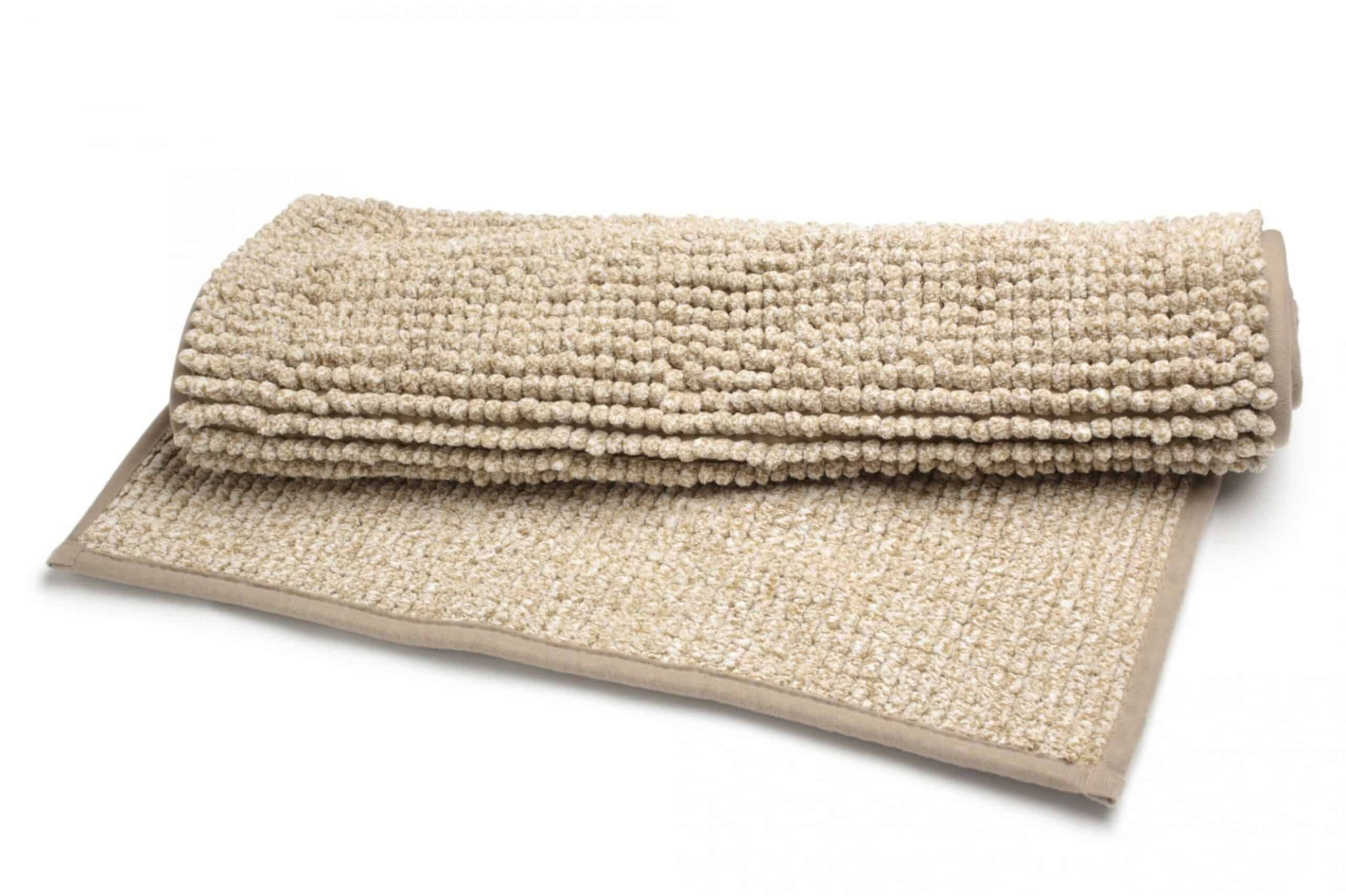
If your bathroom mat or rug cannot be washed in a washing machine, use the following method for hand washing:
- Fill your sink or tub with warm water and mix in several tablespoons of laundry detergent.
- Place your bathmat or rug in the water and allow it to soak for a few minutes before scrubbing it to remove any dirt and debris.
- Once the rug has been scrubbed clean, empty the sink or tub and refill the basin or rinse the rug with cold water. Note: If your rug or mat is made of bamboo, jute, or another natural fiber material, do your best to avoid soaking it and instead attempt to spot clean the surface with a damp cloth or sponge.
Washing Machine
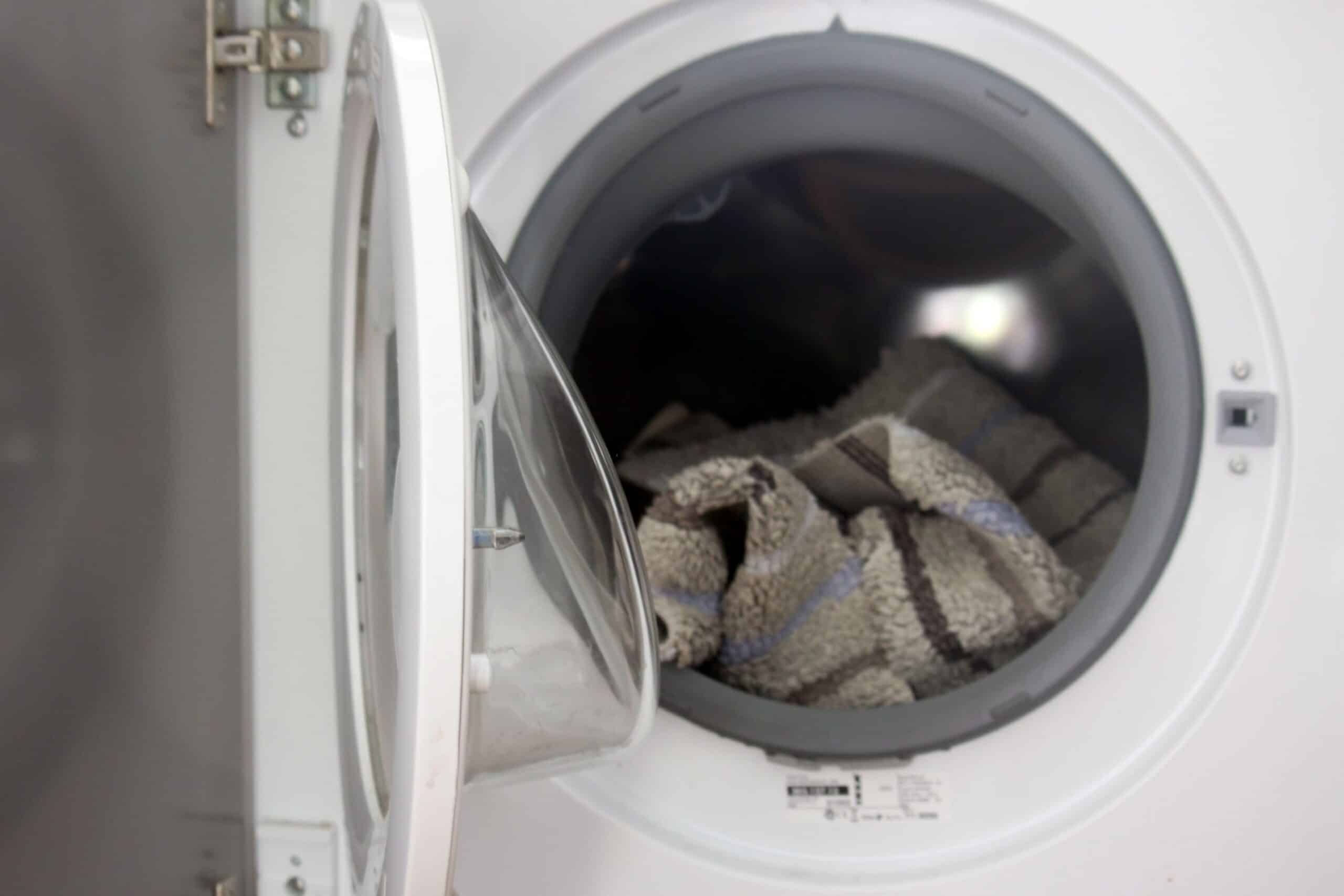
If your bathroom mat or rug is safe to wash in a washing machine, here is the proper method to do so:
- Before you do anything to clean, be sure to check the manufacturer’s care tag on the rug or mat for proper care.
- Go outside and shake the rug or mat out to loosen up and and remove any debris and dander within the fibers.
- Place the mat or rug in the machine, and also add in a few bath towels to keep your machine balanced during the cycle.
- For cotton, polyester, nylon, and plastic rugs: Wash with a hot water cycle.
- For memory foam and other synthetic rugs: Wash with a cool water cycle.
- For any bathroom rug or mat, wash only using a gentle cycle with the correct temperature of water. Note: Do not use bleach on any memory foam or synthetic materials
Proper Drying
To dry your machine washable rugs and mats, excluding memory foam and synthetic materials, simply toss them in the dryer on a low-heat tumble dry setting. However, if your rugs or mat are either not machine safe material or if you’d be more comfortable not drying them in your machine dryer, that’s okay! All you have to do is hang them from a clothing line in an open space within or outside your home. If you plan to hang your rugs or mats outside, avoid placing them in direct sunlight in order to avoid any discoloration while they dry. It should only take a few hours for your rugs or mats to fully dry, and once they are, you can replace them in your bathrooms without issue.
How to Deodorize Bathroom Rugs
Have you noticed a particularly funky smell coming from your bathmats or rugs? One of our most highly recommended suggestions is to toss in a cup of distilled white vinegar when you wash the rug or mat. Whether you hand wash or machine wash, mix in a full cup of vinegar to the washing water and this should fully deodorize and kill off any lingering bacteria within the rug or mat. To freshen your bathmats or rugs between washes, simply sprinkle some baking soda around the surface of the material and allow it to sit for about 10 to 15 minutes before vacuuming it up.
FAQs
How often should you wash bathroom rugs?
You should wash your bathroom rugs at least once every week to kill any bacteria and keep your bathroom clean and fresh. As a general rule, be sure to wash or clean your bathmats and rugs every time you clean your bathroom.
When to shop for replacement rugs?
If your bathroom rug is washable, you should only have to replace it every 2 or 3 years. However, if your bathroom rug cannot be washed and only spot treated, these should be replaced about every 6 months. Bacteria and mold can reside pretty deep in the fibers of bathmats so your best course of action is washing and replacing them fairly frequently.
Should you wash bathroom rugs separately?
Generally, bathroom rugs can be washed with bath towels as long as you aren’t using bleach products. Make sure to read the manufacturer’s care instructions and labels before washing or cleaning any of your bathroom rugs.
What is the best way to clean rubber-backed mats?
You can easily clean rubber-backed mats in your washing machine using a cold water gentle cycle and then hanging them to dry. Rubber backed bathmats can wear out fairly quickly, so they should only be cleaned in the washing machine once a month and only ever using a gentle cycle with cold water.
We hope you’ve learned more about how to properly clean and maintain your bathmats and rugs. Just remember to keep up with regular cleaning to keep that bacteria at bay. For more cleaning tips and tricks for around the house, check out our blog! If you’re looking for a more professional touch, you can check out our website. Our Boston house cleaning professionals are friendly, experienced, and happy to help. Browse our variety of cleaning services and book your cleaning appointment today!